EXPLORE THE BEST HUNTING SAFETY EQUIPMENT
Protect yourself and hunt with confidence using essential safety equipment designed for the unique hazards hunters face. From blaze orange visibility gear and hearing protection to emergency survival tools and fall-arrest systems, HuntingLocator stocks the safety equipment that brings you home after every hunt. Whether navigating public land during rifle season, climbing treestands in darkness, or venturing into backcountry wilderness, discover the protective gear that prevents accidents and handles emergencies when they arise.
EXPLORE HUNTING SAFETY GEAR SUBCATEGORIES
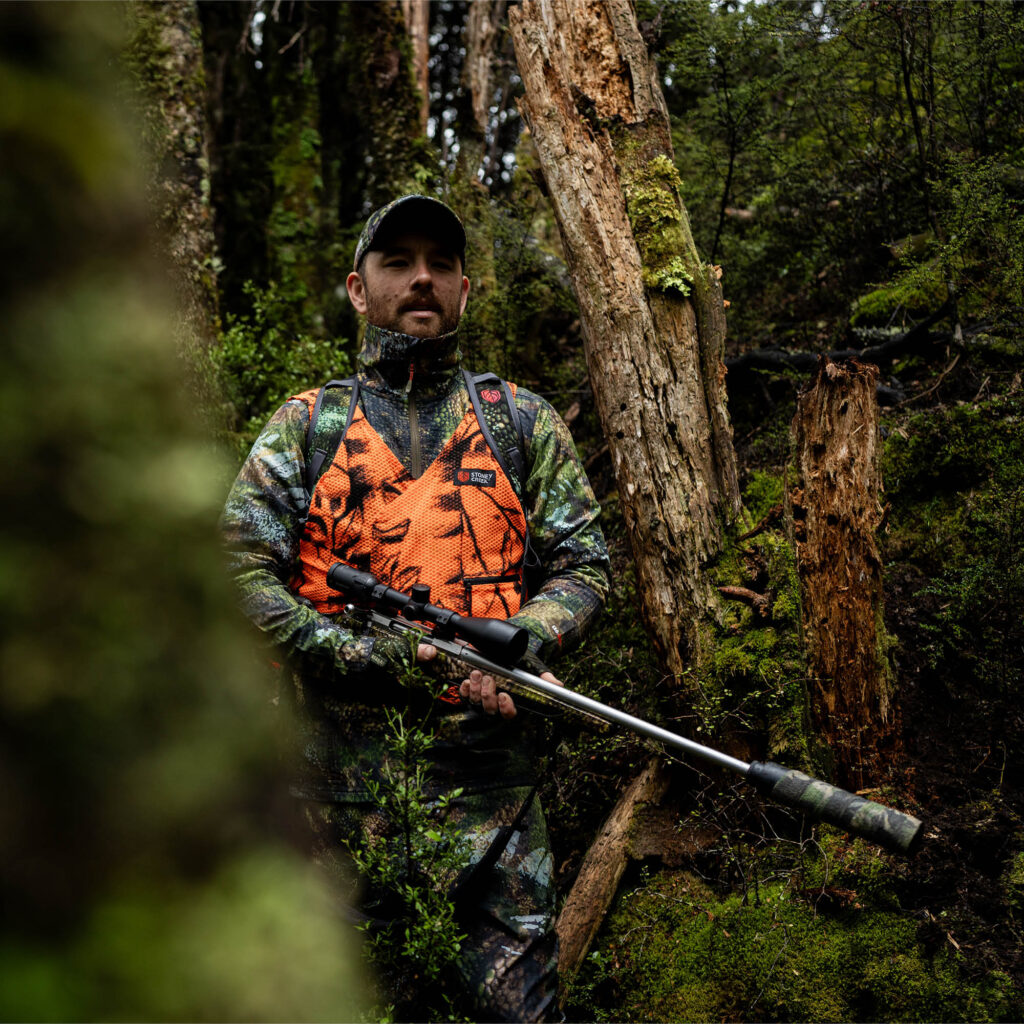
High Visibility Gear
High visibility gear saves lives by making hunters unmistakably visible to other sportsmen while remaining effective for hunting success. Blaze orange clothing meeting state-mandated square inch requirements prevents tragic misidentification accidents during firearm seasons. Modern visibility gear goes beyond basic vests to include insulated jackets, waterproof rain gear, and technical base layers that provide safety without sacrificing comfort or performance. Reversible designs offer blaze orange for travel and camouflage for hunting, maximizing versatility from single garments. LED-enhanced caps and vests add active visibility for pre-dawn walks and post-sunset tracking.
Our selection of 305 high visibility items ensures compliance with varying state regulations while maintaining hunting functionality. Quiet fabrics eliminate the swoosh sounds that spook game, while breathable materials prevent overheating during active pursuits. Modular systems allow adding or removing orange as regulations change between archery and firearm seasons. Youth sizes ensure young hunters stay visible and legal. Beyond clothing, orange gear includes pack covers, tree stand umbrellas, and rifle case flags that mark your position to approaching hunters. Whether hunting pressured public land or private leases with multiple hunters, quality visibility gear provides essential protection without compromising hunting success.
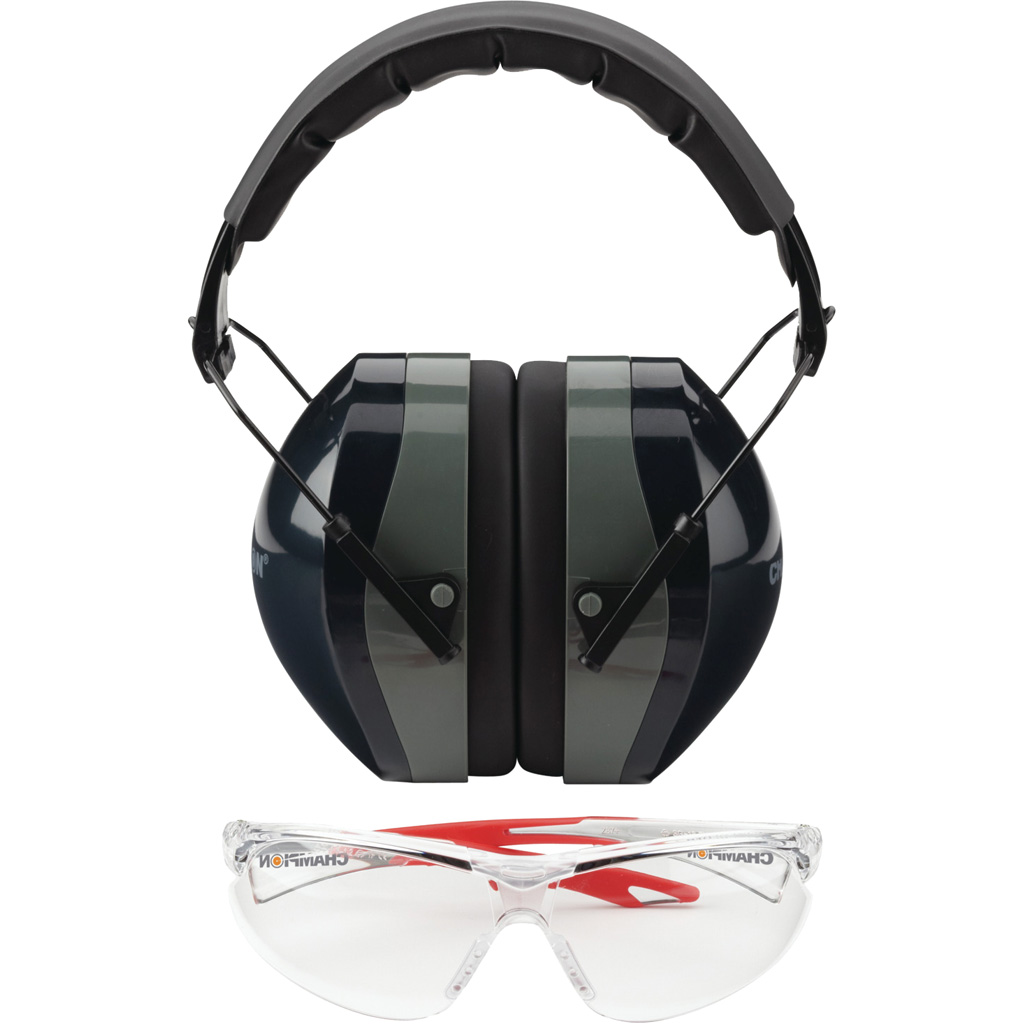
Hearing Protection
Hearing protection preserves one of hunting’s most essential senses while preventing permanent damage from muzzle blast exposure. Electronic earmuffs amplify ambient sounds like approaching game and partner communication while instantly suppressing harmful gunshot noise to safe levels. Advanced models feature directional microphones that help locate sound sources and Bluetooth connectivity for two-way radio integration. Passive earmuffs provide reliable protection without batteries, ideal for range sessions and backup protection. Custom-molded earplugs offer minimal profile for rifle stock compatibility while providing consistent protection.
The 177 hearing protection products in our inventory address every shooting scenario from waterfowl blinds to indoor ranges. Youth models ensure proper fit for smaller heads, establishing safe habits early. Combination units integrate hearing and eye protection in single systems. Behind-the-ear designs work with rifle stocks and bow strings without interference. Sound-activated compression circuits protect against sudden noise while maintaining conversation ability. Quality hearing protection costs far less than hearing aids, making investment in premium electronic protection worthwhile for anyone shooting regularly. Protect your hearing now to ensure you can hear that trophy buck’s approach for seasons to come.
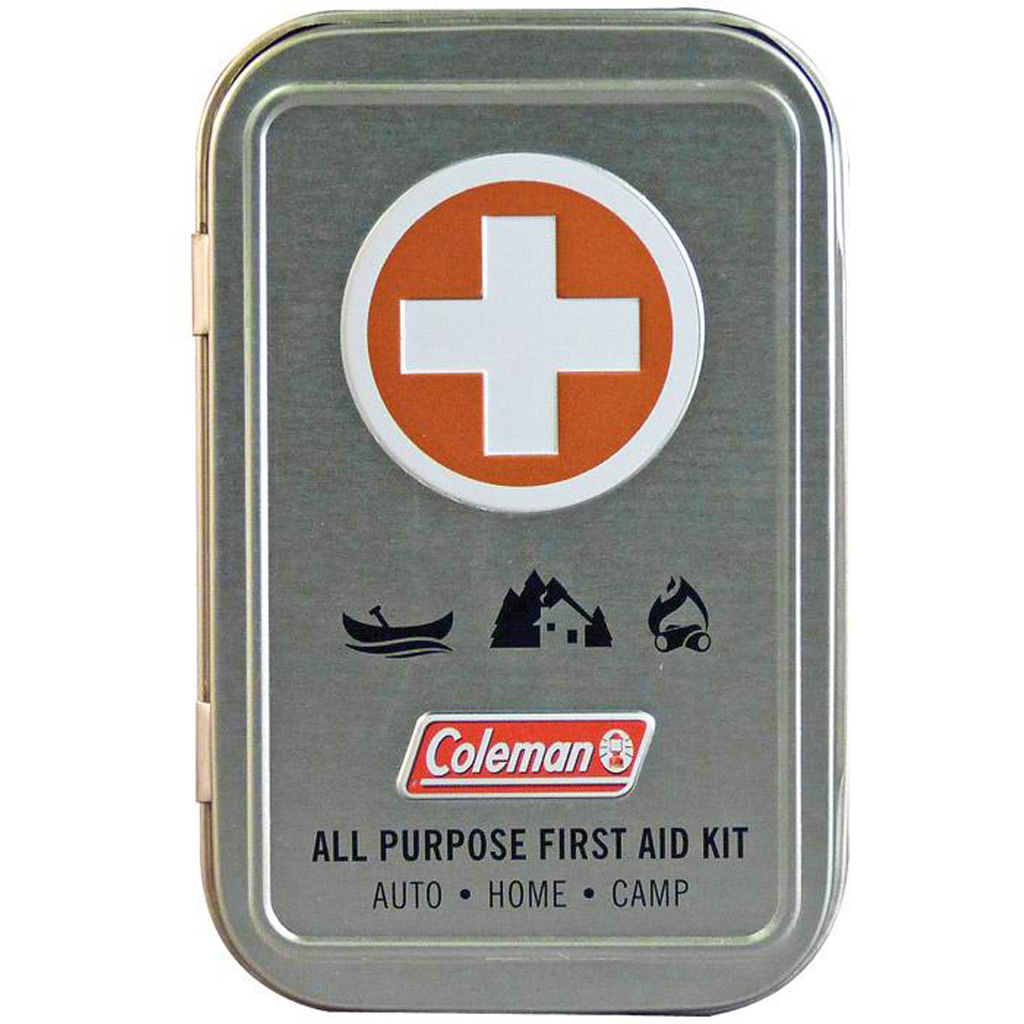
Emergency Equipment
Emergency equipment transforms potentially deadly situations into manageable inconveniences when accidents occur far from help. Comprehensive first aid kits designed specifically for hunting injuries include blood clotting agents, pressure bandages, and tourniquets for severe trauma. Emergency shelters and bivies provide crucial protection when unexpected weather or injuries prevent planned extraction. Fire starters, signaling devices, and water purification ensure survival during extended unexpected stays. Personal locator beacons and satellite messengers summon rescue when cell phones show no signal, providing GPS coordinates to search teams.
Our 100 emergency products range from basic wound care to advanced trauma supplies that handle worst-case scenarios. Individual first aid kits attach to belts or packs for immediate access. Group kits support hunting camps and guided hunts. Survival kits combine shelter, fire, water, and signaling in compact packages. Emergency blankets reflect body heat while weighing mere ounces. Chemical heat packs prevent hypothermia. Whistles carry farther than voices for signaling partners. Whether dealing with deep cuts from broadheads, broken bones from treestand falls, or overnight stays from tracking wounded game, proper emergency equipment provides confidence to hunt remote locations while maintaining reasonable safety margins.
Fall Protection
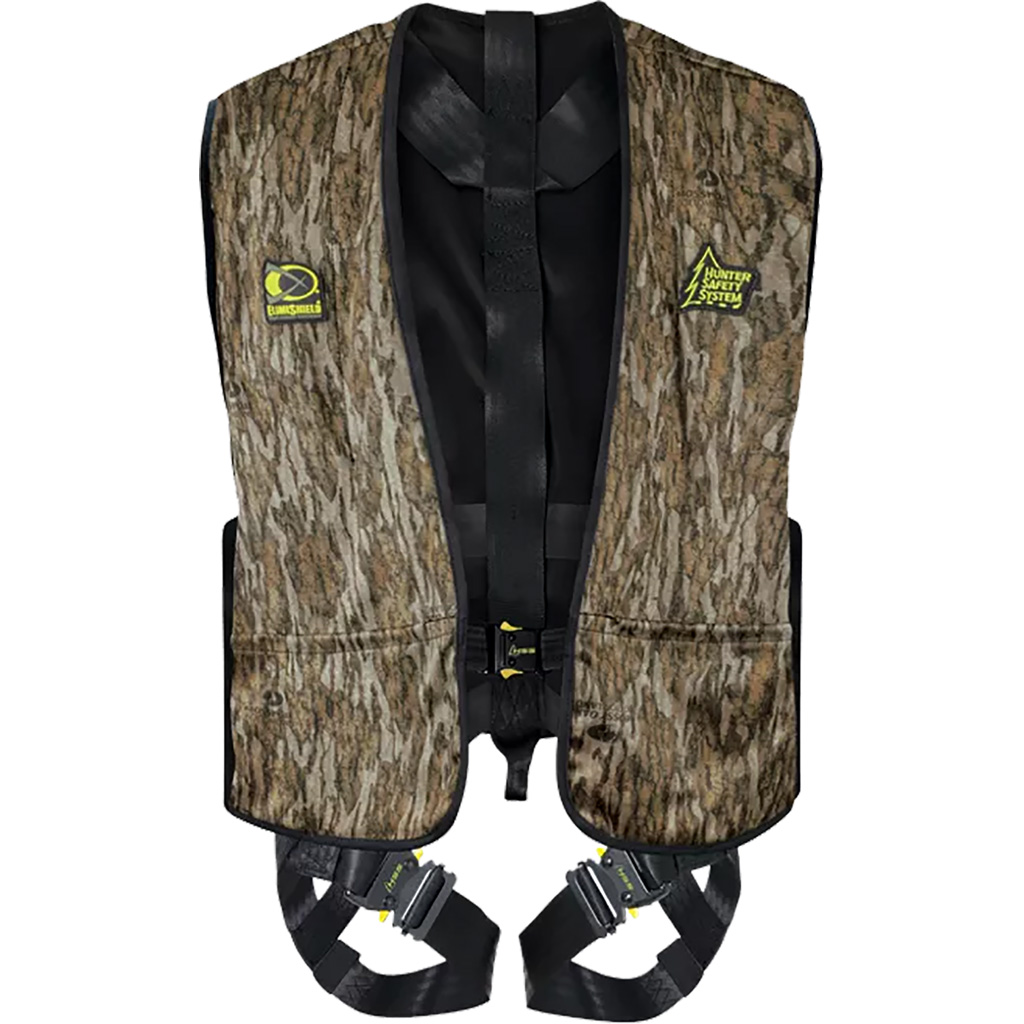
Fall protection equipment prevents treestand accidents that injure thousands of hunters annually, with falls representing hunting’s most common serious injury source. Full-body harnesses distribute impact forces across strong skeletal structures rather than concentrating stress on single points. Lineman’s belts and climbing ropes maintain three points of contact during ascent and descent when most accidents occur. Prussik knots and controlled descent devices enable self-rescue after falls. Tree straps and lifelines eliminate gaps in protection from ground to hunting height. Safety videos and training materials ensure proper equipment use.
The 49 fall protection items we stock meet or exceed industry safety standards while remaining practical for hunting use. Lightweight harnesses eliminate bulk excuses for leaving protection behind. Quick-connect buckles speed dressing in cold conditions. Suspension relief straps prevent blood pooling after falls while awaiting rescue. Youth harnesses ensure young hunters develop safe climbing habits. Universal tree straps fit everything from telephone poles to massive oaks. Whether using climbing stands, ladder stands, or hang-on sets, proper fall protection should be non-negotiable. The few seconds needed to connect safety equipment pale compared to months of injury recovery or worse.
Eye Protection
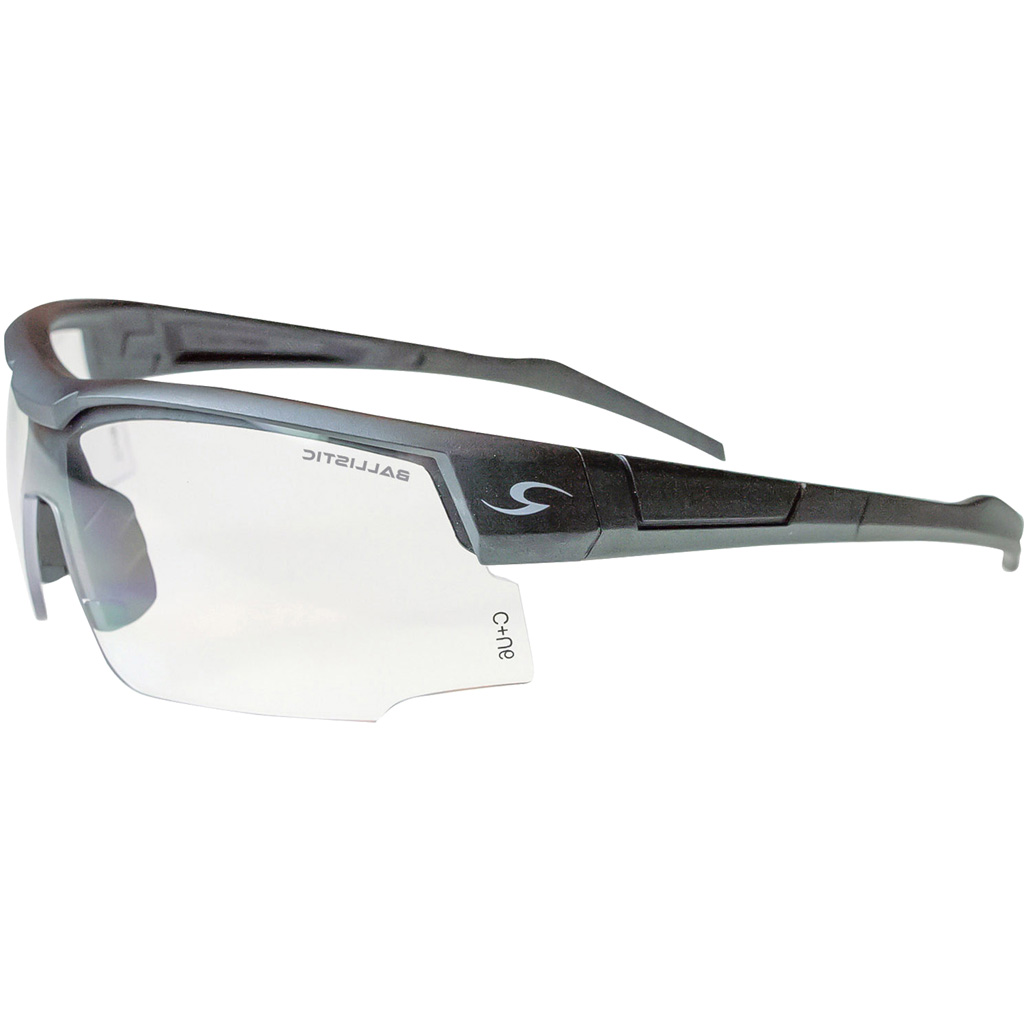
Eye protection shields irreplaceable vision from the numerous hazards hunters encounter beyond the shooting range. Safety glasses guard against brass ejection, powder residue, and ricochets during shooting. Branch deflection while moving through thick cover threatens corneal abrasions that end hunts immediately. Wind-driven debris, snow, and rain impair vision during critical moments. Quality shooting glasses enhance contrast in low light while reducing glare that causes eye strain. Prescription options ensure clear vision without compromising protection.
While our inventory shows only 9 dedicated eye protection products, each serves crucial safety roles often overlooked until accidents occur. Impact-rated lenses survive direct hits from ejected shells and broken branches. Interchangeable lens systems adapt to changing light conditions from pre-dawn darkness to bright midday sun. Anti-fog coatings maintain clarity during temperature transitions and physical exertion. Side shields prevent peripheral intrusion while maintaining field of view. Retention straps prevent loss during active hunting. Consider eye protection mandatory equipment rather than optional accessories – vision damage often proves permanent while prevention costs less than a box of premium ammunition.
HUNTING SAFETY EQUIPMENT BUYING GUIDE
Understanding Safety Priorities
Safety equipment selection starts with honest assessment of your highest risk factors. Treestand hunters face falling hazards requiring harnesses and climbing protection. Firearm hunters in populated areas need visibility gear meeting legal requirements. Backcountry hunters require emergency communication and survival equipment. Solo hunters need different emergency preparations than those hunting with groups. Match safety investments to actual risks rather than purchasing generic safety kits filled with items you’ll never use.
Visibility Requirements and Selection
Blaze orange requirements vary significantly between states, seasons, and property types. Some states mandate 500 square inches including head coverage, others require only hats. Archery seasons often waive orange requirements that become mandatory during firearms seasons. Research specific regulations for your hunting areas rather than assuming universal standards. Beyond legal minimums, consider visibility conditions – fog, rain, and thick cover warrant extra orange even when not required. Choose garments serving double duty as hunting clothes rather than cheap vests worn over quality gear.
Hearing Protection Technology
Electronic hearing protection revolutionized shooting safety by eliminating the traditional choice between protection and awareness. Compression circuits reduce harmful noise to safe levels within 1-2 milliseconds while maintaining or amplifying safe sounds. Look for Noise Reduction Ratings (NRR) of 22+ decibels for adequate protection. Multiple microphones provide directional sound localization. Automatic shut-off preserves batteries. Gel ear seals improve comfort and seal. Consider intended use – waterfowl hunting’s repeated shots demand higher protection than occasional deer rifle shots.
Emergency Kit Customization
Generic first aid kits rarely address hunting-specific injuries adequately. Augment basic kits with trauma supplies like tourniquets, clotting agents, and chest seals for severe wounds. Include medications for allergic reactions and cardiac events that strike middle-aged hunters. Pack emergency shelter appropriate for your climate – space blankets for mild conditions, bivies for harsh weather. Communication devices should match your hunting area’s remoteness – whistles for populated zones, satellite messengers for wilderness. Update and verify emergency supplies annually, replacing expired medications and dead batteries.
Fall Protection Systems
Modern fall arrest systems make treestand hunting significantly safer when used properly. Full-body harnesses distribute fall forces better than waist-only belts, reducing injury severity. Look for padded leg and shoulder straps that remain comfortable during all-day sits. Tether length should prevent hitting the ground while allowing shooting movement. Lineman’s belts and climbing ropes protect during ascent/descent when most falls occur. Prussik knots enable self-recovery after falls. Practice using equipment at ground level before hunting season – emergency response during actual falls depends on muscle memory.
Eye and Face Protection
Eye protection often gets overlooked until foreign objects cause painful injuries miles from help. Choose ANSI Z87.1 rated safety glasses meeting impact protection standards. Polycarbonate lenses survive impacts that shatter regular plastic or glass. Anti-scratch coatings extend usable life. Photochromic lenses adjust to changing light automatically. For those requiring vision correction, prescription safety glasses eliminate choosing between seeing clearly and protection. Consider full face shields for chainsaw work during shooting lane preparation or game processing.
Training and Practice
Safety equipment only works when used correctly. Read instructions thoroughly and practice deployment before needing equipment in emergencies. Take first aid courses focusing on traumatic injuries. Practice self-rescue techniques from treestand falls. Learn proper tourniquet application that saves lives without causing unnecessary damage. Verify emergency beacon operation and subscription status. Share hunting plans and expected return times with trusted contacts. Regular training transforms safety equipment from dead weight into life-saving tools.
Budget Allocation
Prioritize safety spending based on statistical risks and personal exposure. Treestand hunters should invest heavily in fall protection ($100-200). Public land firearms hunters need quality visibility gear ($50-150). Backcountry hunters require communication devices ($200-400) and survival equipment ($100-200). Basic first aid supplies ($50-100) benefit everyone. Electronic hearing protection ($150-400) prevents permanent damage. Avoid false economy with safety equipment – hospital bills and permanent injuries cost infinitely more than prevention. Consider safety gear investments rather than expenses, with returns measured in healthy seasons rather than dollars.
mUST Reads

Arkansas Elk Hunting: Your Ultimate Season Starter Guide
Arkansas elk hunting offers an unparalleled adventure for hunters seeking to immerse themselves in the natural beauty and challenging landscapes where these majestic creatures roam.
This unique hunting experience, set against the backdrop of Arkansas’s rich ecosystems, provides not only a test of skill and patience but also a chance to participate in a conservation success story.
Brands