EXPLORE THE BEST HUNTING ELECTRONICS AND COMMUNICATIONS
Stay connected, navigate confidently, and leverage technology for hunting success with modern electronics and communication equipment. From GPS units that mark perfect stand locations to two-way radios that coordinate drives, electronic tools enhance safety and effectiveness in the field. Whether you’re navigating unfamiliar territory, monitoring weather changes, or calling pressured predators, discover the electronic advantages that modern hunters rely on for consistent success.
EXPLORE HUNTING ELECTRONICS GEAR SUBCATEGORIES
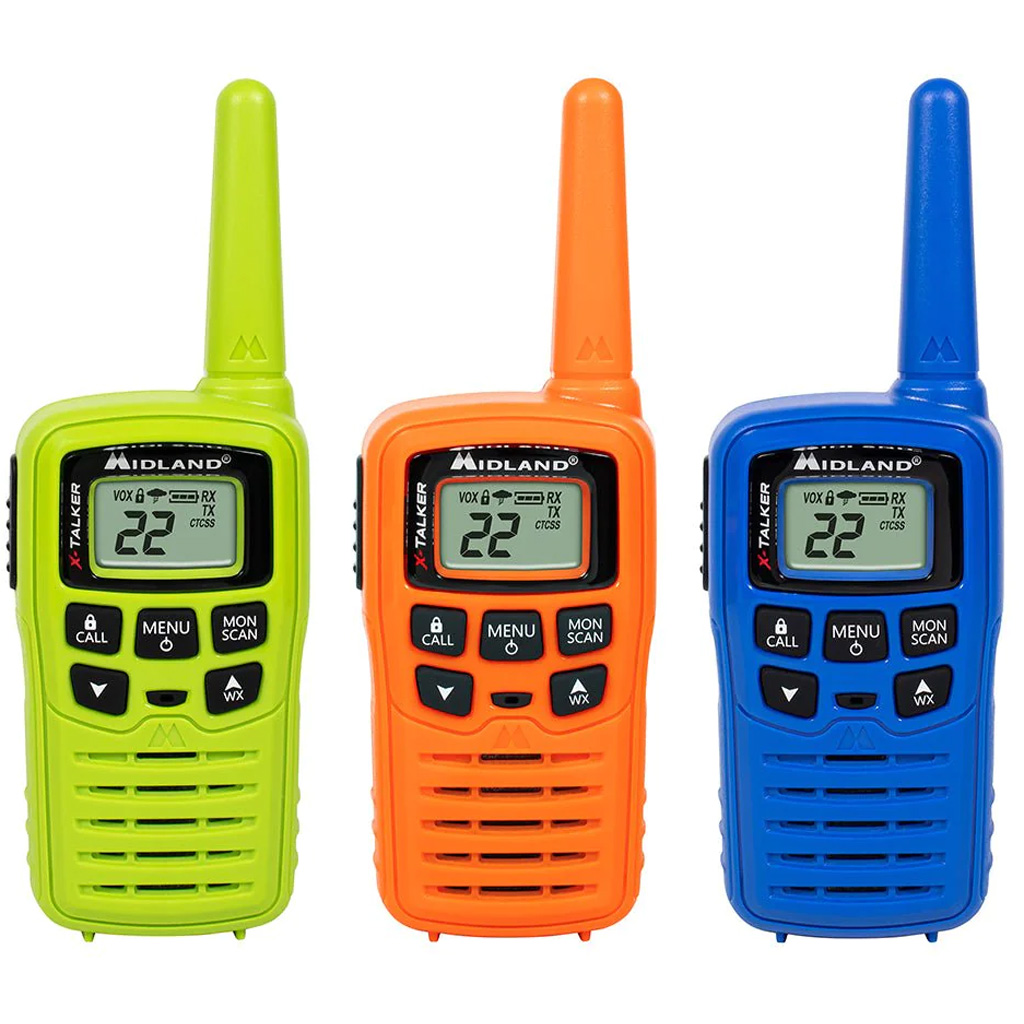
Two-Way Radios
Two-way radios provide instant communication between hunting partners, transforming group hunts from chaotic guessing games into coordinated tactical operations. Modern digital radios offer clear transmission across miles of rough terrain, with privacy codes preventing interference from other users. VOX activation enables hands-free operation while tracking wounded game or dragging deer. Weather-resistant construction survives rain, snow, and inevitable drops. Emergency features including NOAA weather alerts and SOS beacons add safety layers when cell phones show no signal.
Quality hunting radios balance range, clarity, and battery life for all-day reliability without excessive weight. FRS radios provide license-free operation suitable for most hunting scenarios, while GMRS units offer extended range for Western hunting and large properties. Repeater capability extends communication distance in mountainous terrain. Bluetooth compatibility enables wireless earpieces that maintain stealth during critical moments. Whether coordinating deer drives, managing dog packs during hound hunting, or maintaining safety contact during solo sits, two-way radios keep hunting parties connected when cellular coverage fails.
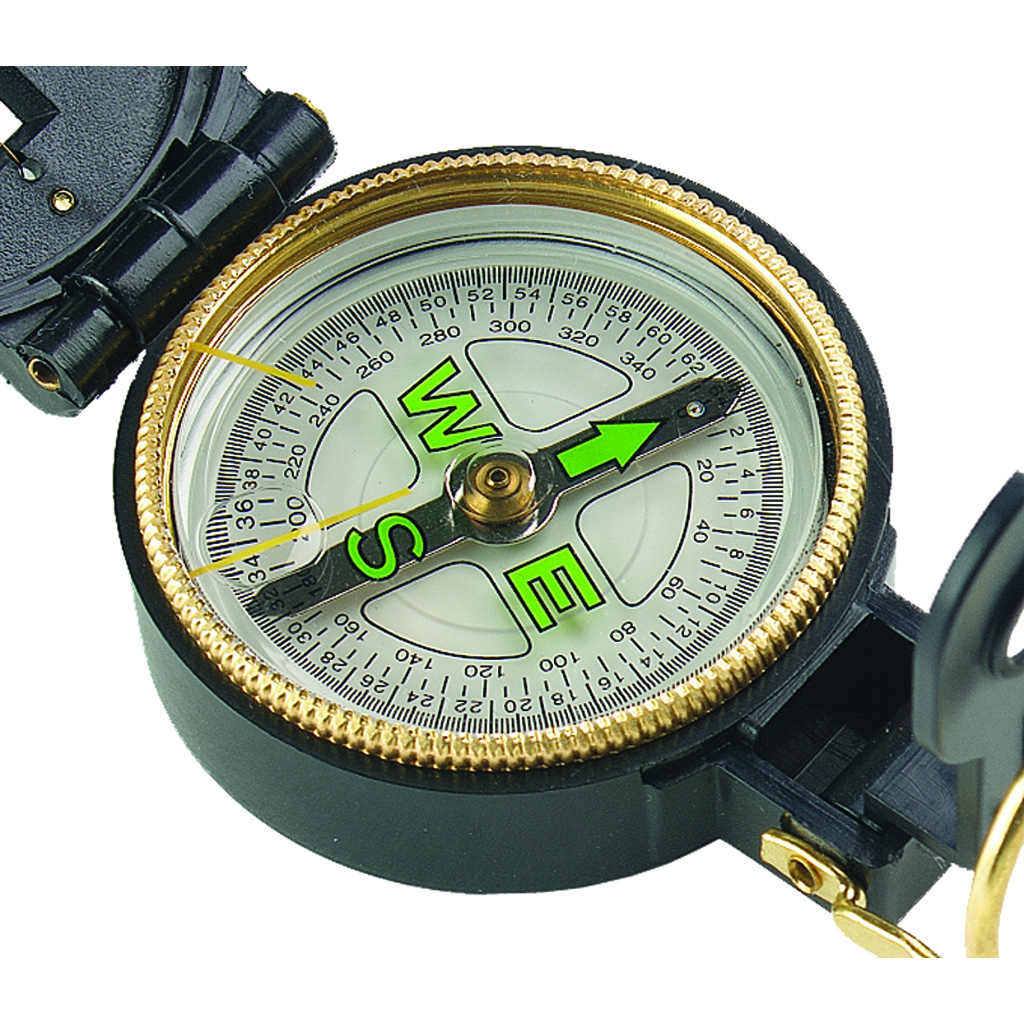
GPS & Navigation
GPS navigation units eliminate guessing about stand locations, property boundaries, and game recovery routes, providing confidence to explore new areas while ensuring you always find your way home. Dedicated hunting GPS units offer advantages over phone apps including better battery life, waterproof construction, and operation without cellular coverage. Preloaded topographic maps reveal terrain features that concentrate game movement. Waypoint marking saves productive locations from mushroom patches to rub lines. Track recording documents successful routes and creates searchable hunting history.
Modern GPS technology goes beyond basic navigation to become comprehensive hunting tools. Property boundary overlays prevent trespassing violations that strain landowner relations. Barometric altimeters aid mountain hunting where elevation affects animal behavior. Area calculations measure food plots and timber cuts. Sunrise/sunset tables and moon phase data optimize timing. Sharing capabilities transfer waypoints between units, spreading scouting knowledge among hunting partners. Whether marking blood trails during tracking, navigating pre-dawn approaches, or documenting honey holes for future seasons, GPS units provide the geographic intelligence that patterns successful hunting.
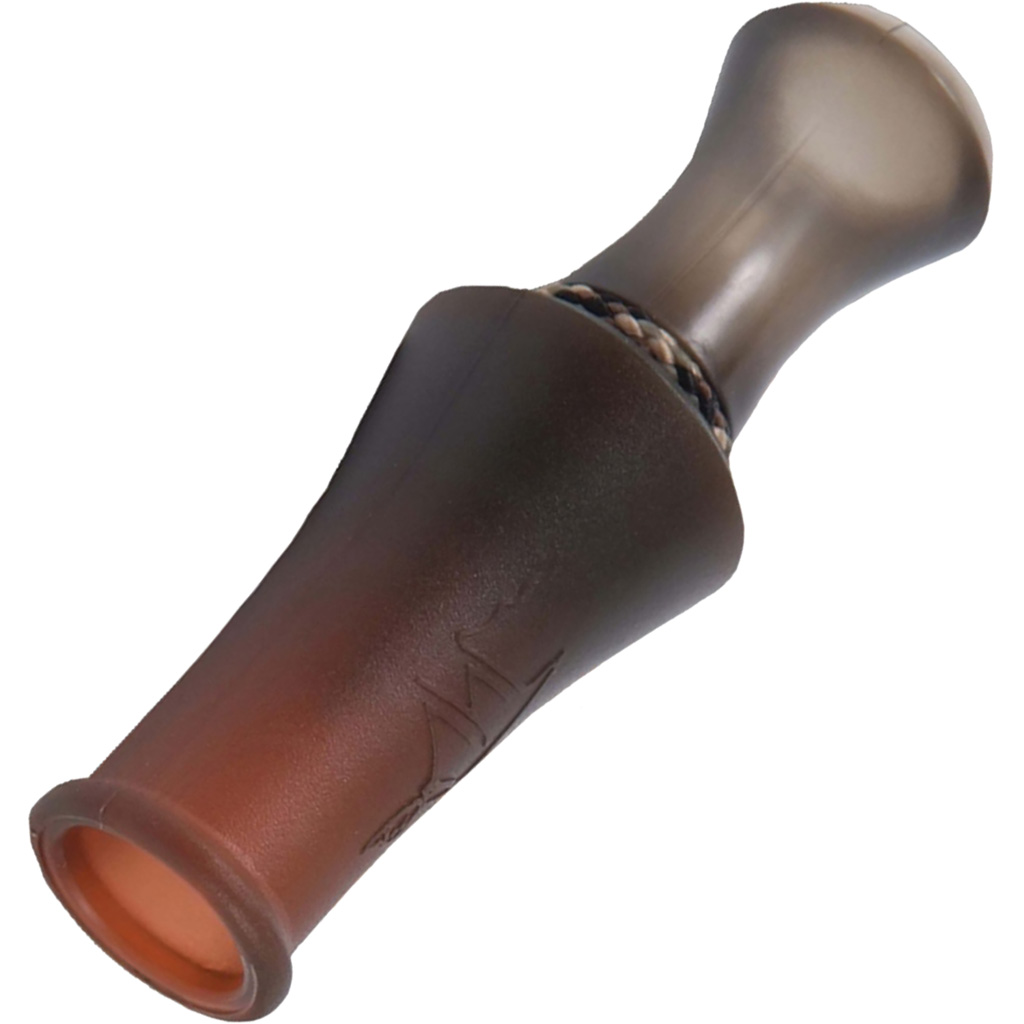
Electronic Calls
Electronic game calls produce consistent, realistic vocalizations that bring curious and responsive animals into shooting range. Digital sound files recorded from actual animals eliminate the variability and learning curve of mouth calls. Remote controls allow placing calls away from shooting positions, focusing incoming animals on the sound source rather than hunter location. Programmable sequences mixing multiple sounds create realistic scenarios from rabbit distress to coyote pack dynamics. Motion decoys integrated with calls add visual attraction that seals the deal for committed responses.
Electronic calls excel for predator hunting where continuous calling maintains realism while hunters remain ready for shots. Preset sound libraries cover everything from squeaking mice to howling wolves, with downloadable sounds expanding capabilities. Volume controls adapt to conditions from close-range coaxing to long-distance locating. Timer functions automate calling sequences, reducing movement that alerts wary predators. Whether calling coyotes across open plains, bringing foxes through thick cover, or even using crow calls to locate roosted turkeys, electronic calls provide consistent performance that mouth calls can’t always deliver.
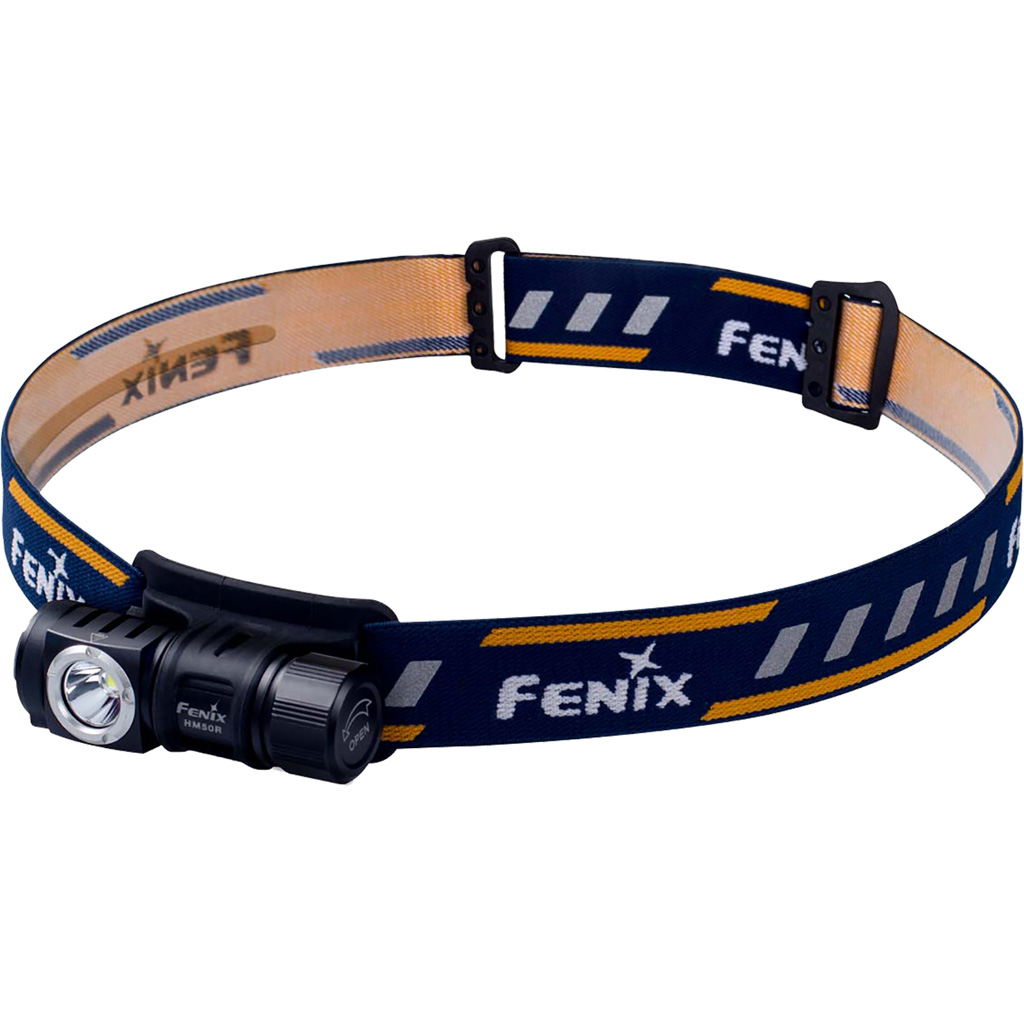
Lighting
Specialized hunting lights extend productive hours while providing essential illumination for safety and game recovery. Blood tracking lights use specific wavelengths that make blood trails glow against forest floors, turning difficult tracking jobs into obvious paths. Headlamps with multiple color options preserve night vision while providing hands-free operation for field dressing and dawn navigation. Weapon-mounted lights enable positive target identification for predator hunting and hog control. Compact flashlights with ultra-low settings prevent spooking game during pre-dawn stand approaches.
Quality hunting lights balance output, runtime, and durability for reliable field performance. LED technology provides exceptional battery life with minimal heat generation. Multiple brightness settings adapt from reading regulations to signaling partners. Red and green filters maintain night adaptation while providing functional light. Rechargeable batteries reduce long-term costs while ensuring full power for each hunt. Whether tracking wounded deer through thick cover, navigating treacherous terrain in darkness, or field dressing game after sunset, proper lighting equipment extends hunting opportunities while improving safety during hunting’s most challenging hours.

Weather & Timing
Weather monitoring and timing devices provide the environmental intelligence that predicts animal movement and optimizes hunting strategies. Portable weather stations track barometric pressure changes that trigger deer movement, with rapid drops often preceding intense feeding activity. Wind meters reveal subtle thermals and speed changes affecting scent control and shot placement. Temperature and humidity sensors indicate scent dispersion conditions and game comfort levels. Sunrise/sunset calculators ensure legal shooting hours compliance while maximizing productive hunting time.
Advanced weather tools connect historical patterns with real-time conditions for predictive hunting advantages. Smartphone integration logs conditions during successful hunts, building personal databases of productive weather patterns. Moon phase tracking correlates lunar positions with observed deer movement, validating or debunking folklore with actual data. Solunar tables predict major and minor feeding periods based on gravitational influences. Whether timing rut phases with temperature drops, predicting morning thermal shifts, or simply ensuring you’re legal at first light, weather and timing tools transform environmental variables from mysteries into hunting intelligence.
HUNTING ELECTRONICS BUYING GUIDE
Evaluating Technology Needs
Electronic hunting tools should solve specific problems rather than adding complexity without benefit. Assess your actual limitations – do you get lost easily, hunt alone frequently, or struggle with calling? GPS units benefit hunters exploring new territory but prove unnecessary for familiar farms. Two-way radios excel for group hunts but add little for solo hunters. Electronic calls help predator specialists but may violate regulations for big game hunting. Match technology purchases to genuine needs rather than accumulating gadgets that complicate rather than enhance hunting.
Durability and Weather Resistance
Hunting electronics face harsh conditions that destroy consumer-grade devices. Look for IPX ratings indicating water resistance – IPX4 handles rain while IPX7 survives submersion. Military specification ratings ensure shock resistance for inevitable drops. Operating temperature ranges should cover your hunting conditions from sub-zero cold to desert heat. Rubberized housings provide grip with wet or gloved hands. Physical buttons work reliably when touchscreens fail in cold or wet conditions. Consider protection accessories like cases and screen protectors for expensive electronics.
Battery Life and Power Management
Dead batteries render electronics useless weight, making power management crucial for hunting applications. Compare actual runtime at typical use patterns rather than standby specifications. Lithium batteries perform better in cold weather than alkaline alternatives. Rechargeable options save money long-term but require charging discipline. Solar chargers and power banks provide field charging for extended trips. Battery indicators prevent unexpected failures. Consider carrying spare batteries or backup devices for critical electronics. Automatic shut-off features preserve power between uses.
User Interface and Learning Curves
Complex electronics with steep learning curves often get abandoned for simpler alternatives that work immediately. Intuitive interfaces allow operation with gloves in cold, dark conditions. Large buttons accommodate gloved fingers and aging eyes. Backlit displays enable night use without external lights. Voice prompts confirm settings when screens aren’t visible. Preset options simplify field use while customization allows optimization when time permits. Practice with new electronics before hunting season reveals operation challenges that frustrate during actual hunts.
Integration and Compatibility
Modern hunting electronics increasingly work together, multiplying capabilities through integration. GPS units share waypoints with smartphones for backup navigation. Two-way radios connect with GPS for location sharing among hunting parties. Electronic calls sync with motion decoys for coordinated attraction. Weather stations feed data to ballistic calculators for precision shooting. Verify compatibility before purchasing to ensure seamless integration. Standard formats like GPX for waypoints ensure data portability between devices and upgrades.
Legal and Ethical Considerations
Electronic hunting aids face varying regulations between states and seasons. Some states prohibit electronic calls for certain species or seasons. Two-way radios may be illegal for coordinating shots at game in some jurisdictions. GPS units with mapping chips showing property boundaries don’t replace permission requirements. Thermal and night vision equipment faces strict regulations for hunting applications. Research current regulations for your hunting areas before investing in electronics that may be illegal to use. Consider fair chase ethics – technology should enhance hunting skills rather than replace them.
Cost Versus Benefit Analysis
Electronics span huge price ranges from $30 basic radios to $1,000+ GPS units with land ownership chips. Entry-level devices often provide 80% of functionality at 20% of premium prices. Consider use frequency – expensive electronics make sense for guides and serious hunters but not occasional users. Smartphone apps may provide adequate functionality without dedicated devices. Used and previous generation models offer value for proven technology. Factor in accessories, subscriptions, and batteries when budgeting. Extended warranties prove worthwhile for expensive electronics used in harsh conditions.
Building Your Electronics Kit
Start with electronics addressing your most pressing needs rather than complete systems. Basic two-way radios ($50-100) improve group hunt coordination and safety. Handheld GPS units ($200-400) prevent getting lost while marking productive locations. Headlamps ($30-75) extend hunting hours and aid game recovery. Electronic calls ($100-300) increase predator hunting success. Weather meters ($50-150) inform scent control and movement prediction decisions. Build gradually based on actual field experience rather than theoretical benefits. Focus on mastering individual devices before adding complexity.
mUST Reads

Arkansas Elk Hunting: Your Ultimate Season Starter Guide
Arkansas elk hunting offers an unparalleled adventure for hunters seeking to immerse themselves in the natural beauty and challenging landscapes where these majestic creatures roam.
This unique hunting experience, set against the backdrop of Arkansas’s rich ecosystems, provides not only a test of skill and patience but also a chance to participate in a conservation success story.
Brands